




 Showcasing 29+ Years of Innovation in Strength Training Equipment

The bench press works the chest, front shoulders, and triceps, which is why it is one of the best exercises for building upper-body strength and size. It is a compound movement, so several muscles work together on every rep, with your chest doing most of the pushing.
This guide breaks down exactly which muscles the bench press works, both the primary movers and the secondary stabilizers, and shows how your grip changes the focus.
Key Takeaways
-
The bench press mainly works the pectoralis major (chest), anterior deltoids (front shoulders), and triceps, for a complete upper-body push.
-
Secondary muscles (biceps, serratus anterior, and core) stabilize the movement and support heavier, safer pressing.
-
Grip width shifts the emphasis: a standard grip is balanced, a close grip hits the triceps, and a wide grip targets the chest.
Understanding the Bench Press
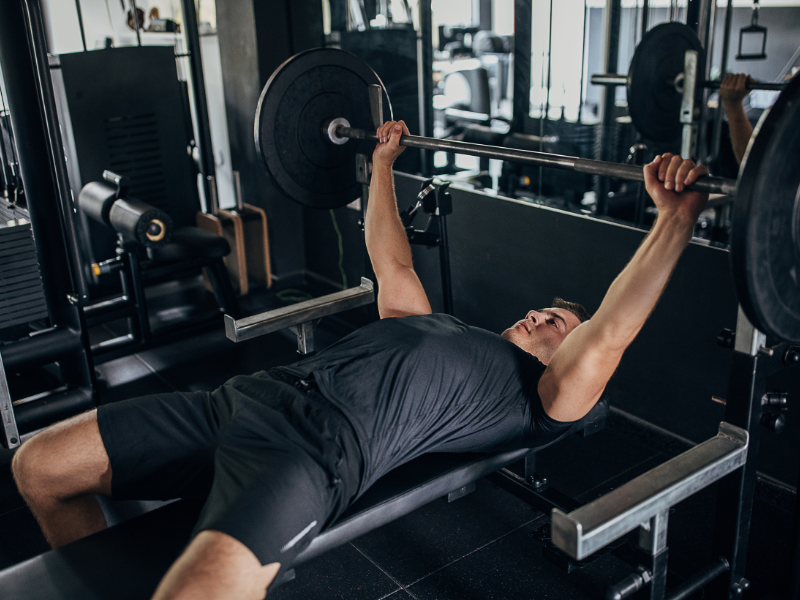
The bench press is a fundamental compound exercise for the upper body. You lie on a bench and press a barbell or dumbbells upward, lowering the weight to chest level and then pressing it back up as you extend your arms. Because it lets you load heavy weight through a natural pressing path, it builds real chest, shoulder, and triceps strength.
Primary Muscles Worked in the Bench Press
The bench press targets three main muscle groups at once:
-
Pectoralis major (chest): the large chest muscles are the primary movers and do most of the pressing work. This is why the bench press is a staple for chest development.
-
Anterior deltoids (front shoulders): the front shoulder muscles are heavily involved in driving the bar up, especially off the chest.
-
Triceps brachii (back of the upper arms): the triceps extend the elbows to lock the weight out at the top of the press.
The traditional flat bench press trains all three fairly evenly, while variations let you shift the focus, as we cover below.
Secondary Muscles Engaged During the Bench Press
Alongside the primary movers, several muscles stabilize the lift and support heavier pressing:
-
Biceps brachii: help control and stabilize the bar as you lower it.
-
Serratus anterior: stabilizes the shoulder blades during pressing, improving shoulder stability and reducing injury risk.
-
Core muscles: keep your spine stable through the movement, which protects your back and adds pressing power.
Strengthening these supporting muscles improves your bench press and carries over to other upper-body lifts.
How Grip Width Changes the Muscles Worked
Grip width has a big influence on which muscles the bench press emphasizes. Different grip widths shift the load in specific ways:
|
Grip |
Emphasis |
|---|---|
|
Standard (shoulder-width) |
Balanced across chest, triceps, and front delts |
|
Close grip (inside shoulders) |
More triceps, plus inner chest |
|
Wide grip (wider than shoulders) |
More chest, less triceps (use good form to protect the shoulders) |
Adjusting your grip and adding pressing variations lets you target specific muscles and match your training goal, whether that is a bigger chest or stronger lockout.
Equipment for Effective Bench Pressing
Quality equipment lets you press heavy safely and train every grip. Two strong options from Powertec:
Powertec Workbench Olympic Bench
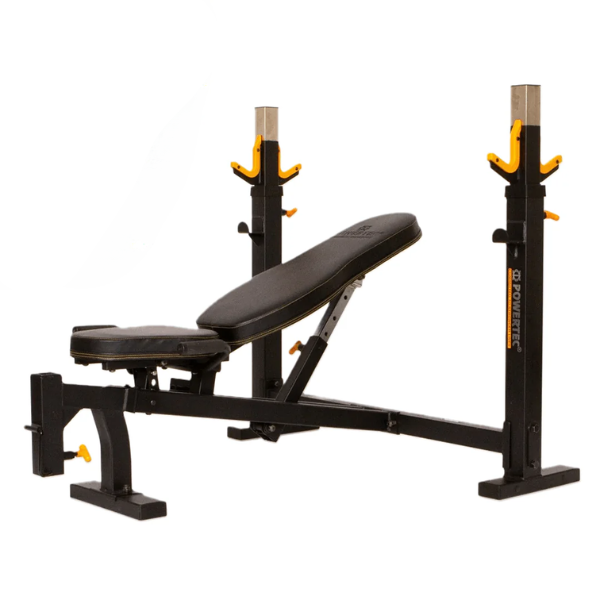
The Workbench Olympic Bench features a flat, incline, and decline (FID) design for a full range of press variations. Adjustable settings suit different body sizes and grip preferences (standard, close, and wide), and dual bar catches give easy, safe access from both sides.
Powertec Workbench Multipress
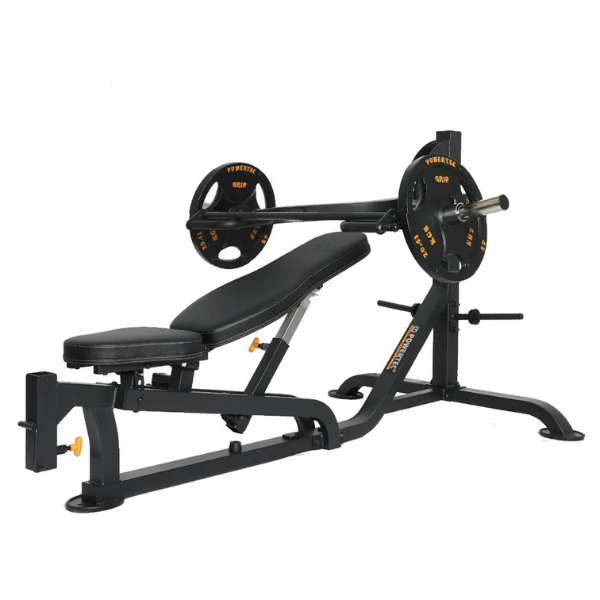
The Multipress is built for chest and shoulder work, with 9 horizontal seat positions and 7 incline back-pad positions. The lever arms can be used like a barbell or independently, and a close-grip bar adds extra pressing and rowing options.
Build a Stronger Bench Press at Home
Now that you know which muscles the bench press works, the next step is training them from every angle. The Workbench Olympic Bench and the Workbench Multipress let you press safely and hit each grip at home. For a full chest routine, see our guide on how to get a bigger chest.
Contact Information
Powertec is the leading provider of high-quality bench press equipment and other strength training machines. Call us today to get started building your home gym with our premium gym equipment.
Get in touch with us today:
-
Phone: 800-250-6665 / 562-285-5499
-
Email: [email protected]
-
Website: Visit our online store
FAQs
What muscles does the bench press work most?
The bench press works the pectoralis major (chest) most, with the anterior deltoids (front shoulders) and triceps as strong secondary movers. Together they make it one of the best upper-body pushing exercises.
Is the bench press a chest or an arm exercise?
It is a chest-dominant compound exercise. The chest does most of the work, while the triceps and front shoulders assist, so it trains both the chest and the arms.
Does the bench press work the back?
Not as a primary target. The bench press is a pushing exercise, though muscles like the serratus anterior and the back stabilize your shoulder blades and torso during the lift.
Which grip works the chest the most?
A wide grip places more emphasis on the chest and less on the triceps. Keep the range of motion controlled and your shoulders safe when pressing wide.
Will bench pressing make my arms bigger?
Yes. The bench press trains the triceps and front delts, so consistent pressing with progressive overload adds size and strength to the upper arms.
Where can I buy a bench press close to me?
You can purchase a bench press by visiting Powertec's online store or contacting us directly at 800-250-6665 or [email protected]. Our team is ready to help you find the perfect bench press for your home gym needs.
Leave a comment