




 Showcasing 29+ Years of Innovation in Strength Training Equipment

The best workout for shoulders trains all three heads of the deltoid, not just the front. Hit only one or two and your shoulders look flat and unbalanced. Train the anterior, lateral, and posterior delts together and you build the round, capped, three-dimensional shoulders that finish off a strong upper body.
This guide breaks down the shoulder anatomy, the best exercise for each head, and a complete sample shoulder workout you can run at home.
The Three Shoulder Heads (Deltoid Anatomy)
The deltoid, or shoulder muscle, is comprised of three distinct heads that are responsible for various shoulder movements. Each muscle head needs to be exercised properly to achieve well-rounded shoulder development.
Anterior Deltoid
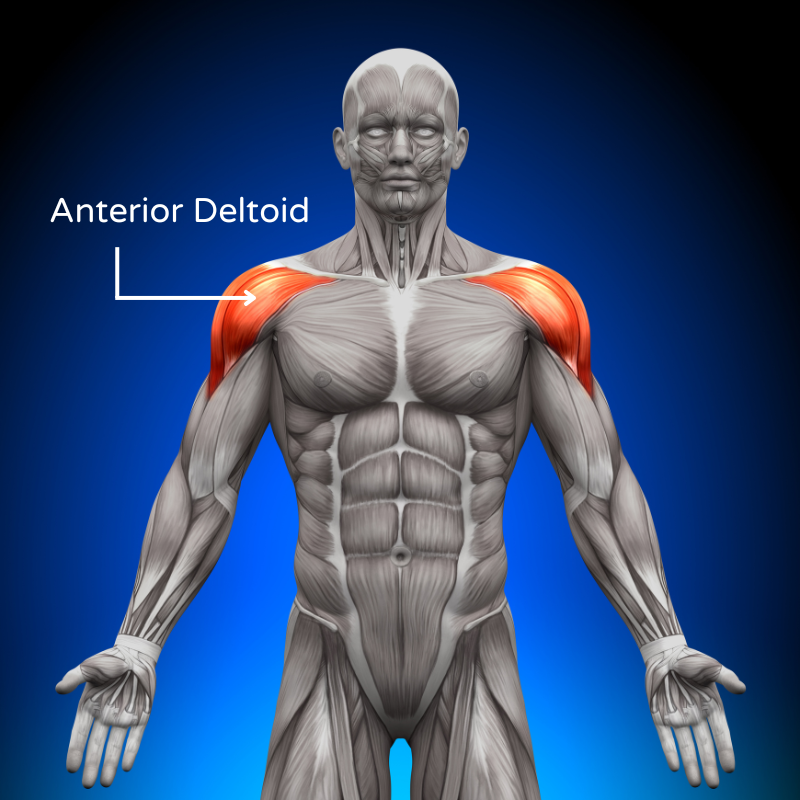
The anterior deltoids are located at the front of the shoulder and are primarily responsible for shoulder flexion. This muscle head is often worked out through compound exercises like the shoulder press and bench press. To specifically target this area, front delt-specific exercises are required, such as the dumbbell front raise.
Lateral Deltoid

The lateral deltoid (middle deltoid) lies on the side of the shoulder and is crucial for shoulder abduction, which is the movement of the arm away from the body. The lateral raise is the go-to exercise for targeting the lateral deltoids, which is essential for achieving the desired shoulder width.
Posterior Deltoid
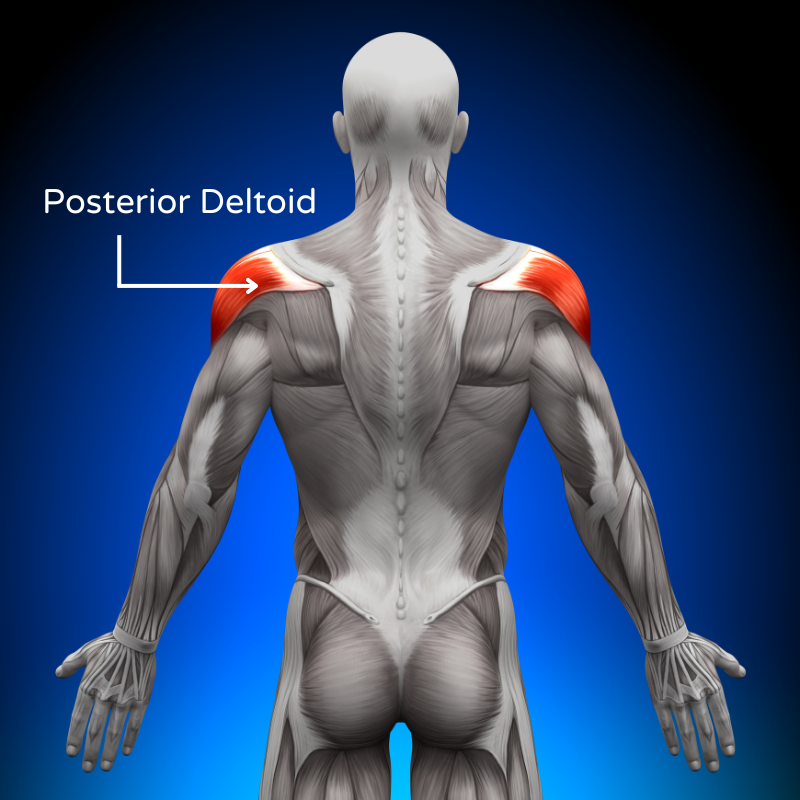
At the back of the shoulder, we find the posterior deltoid (rear deltoid). This muscle head is essential for movements involving shoulder extension and horizontal abduction and is often the most neglected in shoulder workouts. Rear delt flyes and reverse pec decks are specific exercises that effectively isolate the posterior deltoids.
Key Exercises for Each Shoulder Head
To achieve balanced shoulder development, it's crucial to incorporate exercises that target each head of the deltoid.
Front Raises for Anterior Deltoid

Lift the weight straight in front of you to about shoulder height, then lower under control. Front raises isolate the front delts and can be done with dumbbells or a barbell. Because pressing already trains this head hard, treat front raises as a finisher, not the main event.
Lateral Raises for Lateral Deltoid
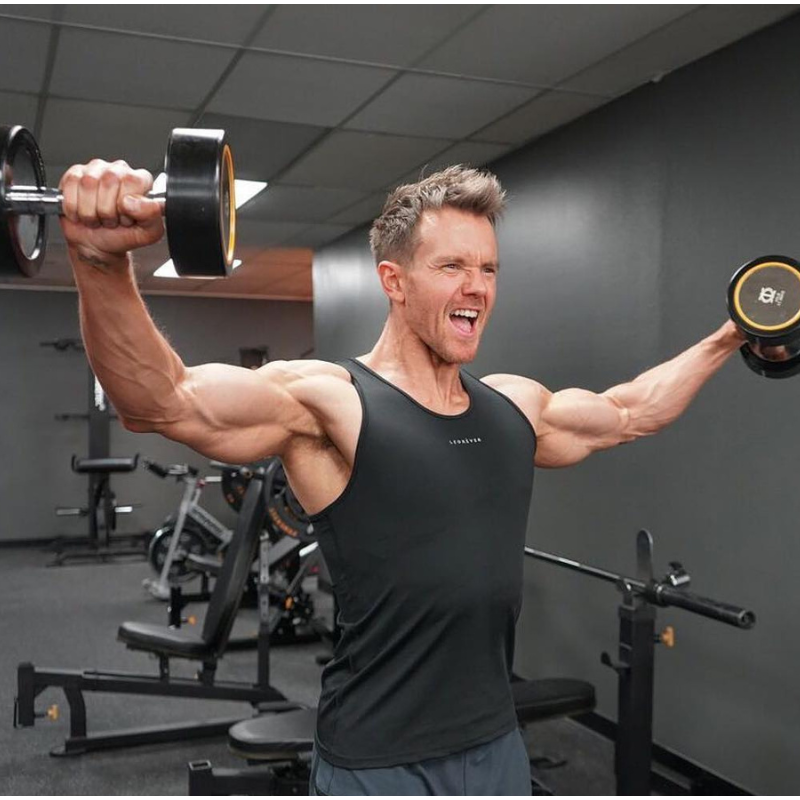
Lift the weights out to your sides up to shoulder height, then lower slowly. This is the cornerstone of shoulder width. Keep a slight bend in the elbow, lead with the elbows, and avoid shrugging so the side delts do the work instead of the upper traps.
Rear Delt Flyes for Posterior Deltoid

Rear delt flyes target the often-overlooked rear delts. Use dumbbells, cables, or a pec-fly station set to reverse. Focus on the mind-muscle connection and keep the movement in the shoulder, not the lower back, through the full range of motion.
The Best Shoulder Workout (Sample Routine)
Here is a complete shoulder workout that trains all three heads in one session. Run it once or twice per week.
|
Order |
Exercise |
Target Head |
Sets |
Reps |
|---|---|---|---|---|
|
1 |
Overhead Shoulder Press |
Anterior (all heads) |
3-4 |
6-10 |
|
2 |
Lateral Raise |
Lateral |
3-4 |
12-15 |
|
3 |
Upright Row (neutral grip) |
Lateral / traps |
3 |
10-12 |
|
4 |
Rear Delt Fly |
Posterior |
3-4 |
12-15 |
|
5 |
Front Raise (finisher) |
Anterior |
2-3 |
12-15 |
Start with the compound press while you are fresh, then move to isolation work. Add weight or reps over time to keep progressing.
Build Your Shoulder Workout at Home with the Powertec Workbench Multisystem®
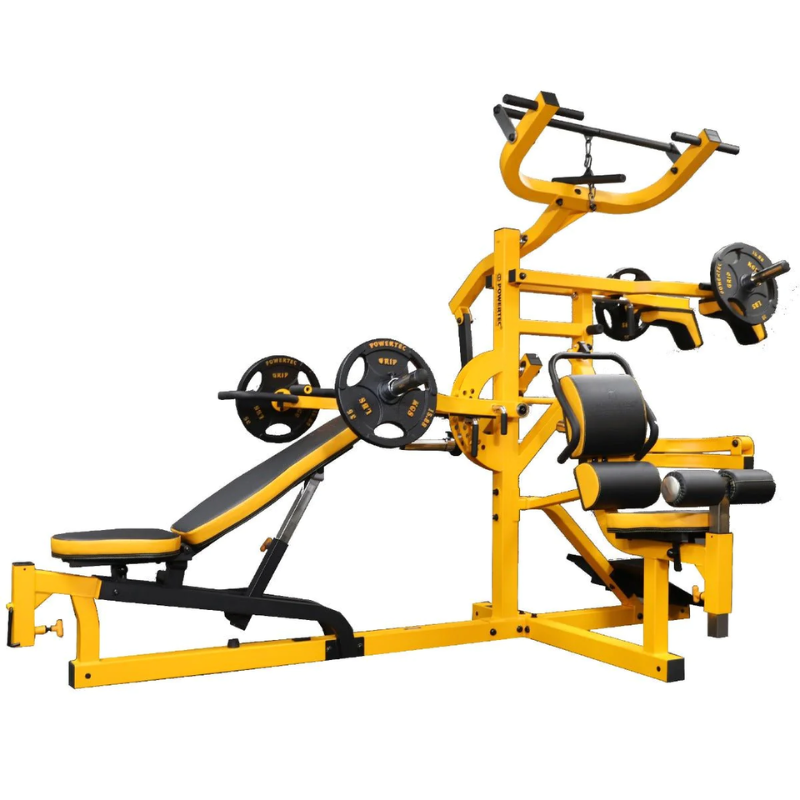
The Workbench Multisystem® gives you the stations to run this entire shoulder workout in one footprint.
-
Press station for shoulder presses: perform seated and overhead presses that build the anterior delts while engaging the lateral and posterior heads. Adjust the angle to hit the shoulders from different positions.
-
Lat station for upright rows: target the lateral delts and upper traps. A neutral grip reduces the risk of shoulder impingement, and controlling the range of motion keeps the tension where you want it.
-
Pec-Fly attachment for rear delt flyes: the Workbench Pec-Fly Attachment adjusts to train the rear delts, so you can finish your shoulders without extra equipment.
Programming and Progression Tips
-
Frequency: train shoulders one to two times per week to allow recovery, especially alongside pressing days.
-
Progress over time: add weight, adjust reps and sets, shorten rest, or introduce variations like the Arnold press. Consistency and nutrition drive the results.
-
Prioritize weak points: if your side or rear delts lag, do those exercises first while you are strongest.
Frequently Asked Questions
What is the best workout for shoulders?
The best shoulder workout trains all three deltoid heads in one session: a compound overhead press for the front delts, lateral raises and upright rows for the side delts, and rear delt flyes for the rear delts.
Can I target all three shoulder heads in one workout?
Yes. Pair a compound press with isolation moves for each head, such as lateral raises for the sides and rear delt flyes for the back, to hit all three heads in a single session.
How often should I train my shoulders?
One to two times per week is a solid guideline. That allows adequate recovery, especially if your program already includes pressing movements that involve the delts.
How do I make my shoulders wider?
Prioritize the lateral (side) deltoid with lateral raises and upright rows. The side head is what creates shoulder width.
How can I keep progressing on shoulder workouts?
Increase the weight, change your reps and sets, shorten rest between sets, and add more challenging variations over time. Progressive overload plus consistency drives growth.
Start Building Bigger Shoulders
The best shoulder workout is the one that trains every head, and the Workbench Multisystem® lets you run all of it at home. At Powertec, qualified buyers can spread the cost with up to 36-month financing, so you can build your home gym on your terms.
Shop the Workbench Multisystem® and start building stronger, rounder shoulders. Questions? Call our team at (800) 250-6665.
Leave a comment